
Full plumbing from the ground up. Or back open before dinner service.
Ground-up build-outs, grease interceptors, floor drains and the whole system — plus the 2 AM call when a line goes down and every hour costs covers. Licensed, permitted, and used to working around your hours instead of ours.
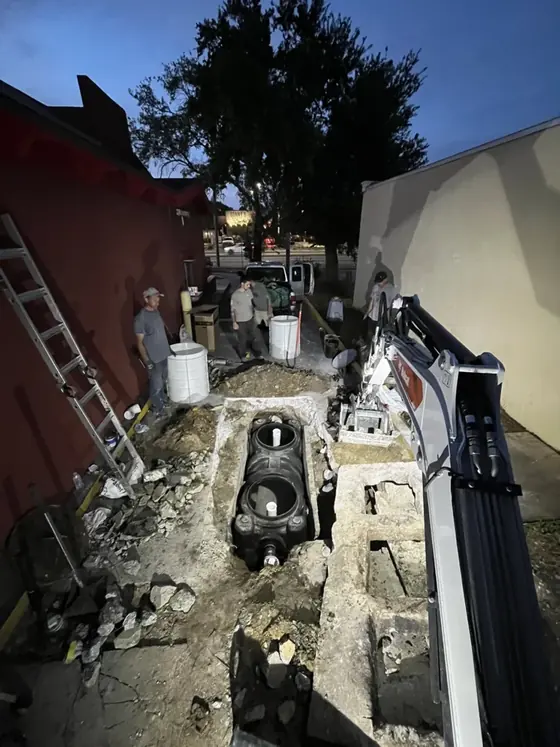
Two very different conversations
Pick the one you're in. They run on different timelines and we staff them differently.
Building, renovating or opening
New restaurant, a second location, a shell to fit out, a remodel that touches the kitchen. You have drawings, a permit path and a date you have to open on. We work to the inspection calendar, not around it.
Send drawings and we quote tighter. The dispatcher tells you where to send them.
Send plans and get a quoteYou're open and something just failed
Kitchen line backing up, no hot water, a leak over the dining room. Every hour is covers you're not turning and a health inspection you don't want today. Don't fill in a form — the dispatcher can triage it on the phone and tell you honestly when someone can be there.
Call now — (352) 232-8481The whole system, not just the fixtures
Ground-up work for builders and operators across Tampa Bay, and out to Sarasota when the job is worth the drive.
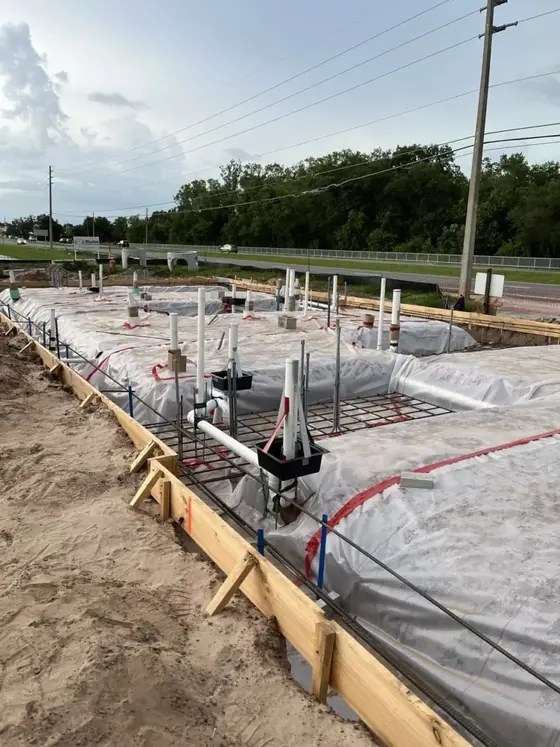
Ground-up rough-in
Under-slab waste and vent, water distribution, gas where licensed, set to the drawings and inspected before anything gets poured or closed.
Grease interceptors
Sized to code for your fixture count and menu, set, connected and ready for the plumbing official. Indoor traps and outdoor in-ground interceptors.
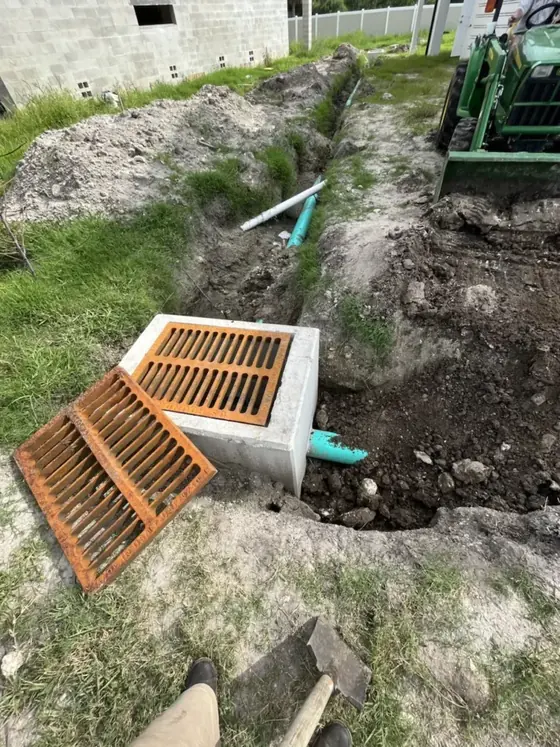
Floor and trench drains
Kitchen floor drains, trench runs, dish and prep areas, sloped and set so the floor actually drains instead of pooling by the line.
Hand sinks, mop sinks, three-compartment
The fixtures an inspector counts. Set where the plan says, at the heights the code wants, with the right indirect connections.
Commercial water heating
Sized for a dish pit that runs all night, not a family bathroom. Tank, tankless and recirculation, with the gas or electrical work coordinated.
Scheduled jetting
Kitchen lines cleaned on an interval instead of on failure. Booked before service, not during it — which is the whole point.
There is no single Florida grease law. That's the part that catches people.
Operators opening a second location across a county line are the ones who get surprised. The requirement doesn't come from the state — it comes from whoever owns the sewer you discharge into, plus the Florida Building Code.
Not the state
Florida has no single statewide grease-interceptor mandate in the environmental code, and the Department of Agriculture and Consumer Services doesn't regulate traps. The duty flows from your local sewer ordinance plus the Florida Building Code plumbing volume.
City of Tampa
Tampa runs its own ordinance regulating "the disposal of grease by food facilities and grease haulers" inside city limits, with maintenance and monitoring requirements, registered haulers and its own enforcement.
City limits onlyPinellas County
Pinellas runs a separate commercial grease programme of its own. Cross the bay and the paperwork, the intervals and the people you answer to all change.
Different programmeSizing
The interceptor has to be sized by the code method for your fixtures and flow, not picked off a shelf, and the plumbing official signs off on the design. Undersized units are the classic reason a new kitchen fails its inspection.
Pump-out intervals
How often it has to be pumped, who may haul it, and what records you keep are set by your jurisdiction. We won't quote you an interval off the internet — we confirm it for your address before we size anything.
Which one applies to you?
City of Tampa, unincorporated Hillsborough, Pinellas, Pasco, Hernando, Sarasota, Orange — they are not the same. Give us the address and we'll tell you whose rules you're under before anyone orders equipment.
Check my jurisdictionSources: City of Tampa Grease Management Ordinance · Pinellas County Commercial Grease Management · Florida DEP, Grease Waste. Nothing here is legal advice — your jurisdiction's current ordinance governs, and we read it with you rather than guessing.
Tied to the inspection calendar, not to ours
If you're a GC, you already know the failure mode: the plumber holds up the pour, or misses the rough-in inspection and the whole trade stack slides a week.
Drawings and takeoff
Send the plumbing sheets and the kitchen equipment schedule. We count fixtures, check the interceptor sizing against the jurisdiction, and flag anything on the drawings that won't pass before it's built.
Call or text first; the dispatcher tells you where to send PDFs and DWGs.
Permit
Pulled under our licence in your jurisdiction. On a food service build this is also where the interceptor design goes to the plumbing official.
Underground and rough-in
Waste, vent and water in before the slab, then rough-in in the walls. Tested and inspected at each stage — we schedule the inspection, and we're on site for it.
Set fixtures and equipment
Three-compartment, hand sinks, mop sink, dish machine, water heater, interceptor. Indirect connections where they belong, because that's what gets looked at.
Final, and the paperwork you'll need later
Final inspection signed off, and you keep the permit record. When you sell the business or renew a lease, that file is what gets asked for.
Pay us on a Tuesday morning, not on a Friday night
Emergency rates exist because emergencies cost more to serve. The cheapest kitchen line is the one cleaned on a schedule before it closes the room.
The paperwork your office will ask for
Property managers and GCs need this before a truck is allowed on site. Ask and it comes back — no chasing.
Certificate of insurance
Naming your entity as certificate holder or additional insured, however your lease words it. Usually 1 to 2 days.
Licence and permit records
Florida Certified Plumbing Contractor CFC1427622 — a public record you can verify yourself — plus the permit and final inspection for anything we build.
Billing that suits your office
Invoicing terms, PO numbers, W-9 and the way your accounts team wants it referenced. Net terms available, subject to account relationship.
Our work
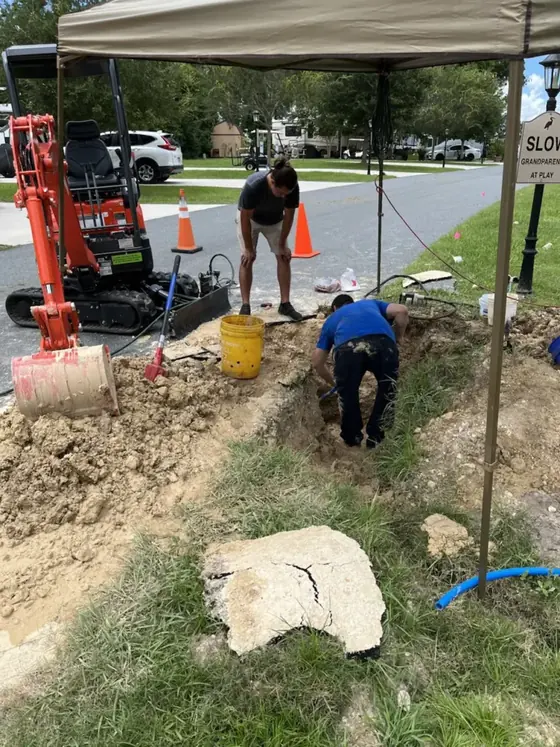
Commercial and new-construction jobs this crew ran — not stock photos.
What operators and GCs ask
Can you work nights so we don't close?
Yes, and for anything in a working kitchen we'd rather. Tell us your service hours and the last cover time and we'll schedule around them. After-hours work is billed at 1.5× the regular rate.
Do you carry insurance, and can I get a certificate?
Yes. Send the wording your lease or GC requires — certificate holder, additional insured, limits — and we'll have it issued. Usually 1 to 2 days.
We're opening a second location in another county. Same rules?
No, and this is where operators get caught. Grease requirements come from the sewer authority you discharge into, so City of Tampa, Pinellas County and unincorporated Hillsborough are three different sets of rules. Give us both addresses and we'll tell you where they differ before you order equipment for the second build.
Do you pump the grease trap as well as install it?
Hauling grease waste is a separate, separately-permitted activity — in Tampa, haulers register with the city. We install, connect, maintain the lines and jet them. We'll tell you straight who hauls your grease waste rather than take a job we're not registered for.
Can you meet the inspector on site?
We schedule the inspection and we're there for it. A trade that books an inspection and doesn't show is how a project loses a week, and on a food service build that week is payroll against no revenue.
Will you look at drawings before we're ready to build?
Please do send them early. The cheapest time to catch an undersized interceptor or a floor drain in the wrong place is while it's still a line on a PDF. Call or text and the dispatcher tells you where to send the sheets. We'll come back with questions and a number.
How far do you travel for commercial work?
All of Tampa Bay routinely, and out to Sarasota for build-outs and larger projects. If you're further than that with a real project, ask — the answer is usually yes.
Send the drawings. We'll tell you what it takes.
Plans, an address and an opening date is enough to start. If you're already open and something just went down, call instead — that's faster than any form.