
Pipes fail from the inside. You find out when the ceiling does.
Polybutylene, galvanized, failing CPVC — whatever is in your walls comes out, and a new system goes in. Licensed, permitted, inspected, and finished by the same crew that started it.
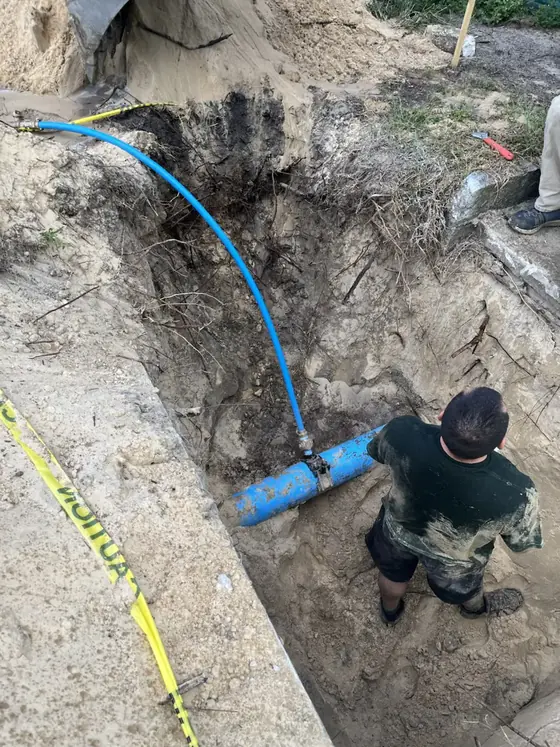
Six things that mean your pipes, not your fixtures, are the problem
One bad faucet is a faucet. Several of these at once is a system telling you it's done. If two or more sound familiar, it's worth having someone look.
Pressure keeps dropping
Corrosion and scale narrow the inside of the pipe until the shower goes weak whenever someone runs a tap.
Rusty or cloudy water
Brown at first draw in the morning, or a metallic taste, usually means the inside of galvanized pipe is coming apart.
Leaks keep coming back
A second pinhole within a year is not bad luck. Patching one spot on a failing line just moves the next failure down the pipe.
The house was built 1978–1995
That's the window when polybutylene went into Florida homes by the thousand. Worth identifying even if nothing has failed yet.
Stains on ceilings or walls
A brown ring that keeps growing, or paint that bubbles in the same spot, is a line leaking behind the drywall.
Your insurer asked about your pipes
Carriers in Florida increasingly ask what's in the walls at renewal, and some decline or surcharge certain materials.
Not sure what you've got?Most homeowners don't know what's behind the drywall, and that's normal. We identify the material on site and tell you plainly whether it needs replacing now, later, or not at all.
Have it identifiedFive materials, and how worried to be about each
Florida houses hold a bit of everything. Here's the honest version — including the ones that are perfectly fine and don't need us.
Polybutylene
Grey, sometimes blue or black, flexible, often stamped PB2110. Disinfectants in city water react with the plastic and make it flake apart from the inside, so it fails without warning. Roughly 10 million US homes got it, Florida heavily among them.
Galvanized steel
Steel pipe with a zinc coating that wears off from the inside. Rust builds inward, the bore narrows, pressure drops and the water discolours. This is the classic "brown water in the morning" pipe.
Replace when symptoms startCPVC
Cream or tan rigid plastic. It works, but it gets brittle with age and heat, and older runs crack at fittings when disturbed. Not an automatic replacement — it depends what we find.
Depends on conditionCopper
Long-lived and still a fine system. Where it goes wrong is repeated pinhole leaks — usually water chemistry or a grounding problem — and when that starts, it tends not to stop.
Usually leave it alonePEX-A
The flexible kind of PEX. It bends around corners instead of needing a fitting at every turn, so there are fewer joints buried in your walls, and it doesn't corrode. Its fittings expand over the pipe rather than pushing a barb inside it, so the full bore stays open at every connection.
Modern standardDon't know yours?
There's usually a visible length under a sink, at the water heater, or where the line enters the house. Text us a photo at (352) 232-8481 and we'll often tell you before we even drive out.
Send a photoPolybutylene facts — manufacturing window, the PB2110 stamp, the reaction with disinfectants and the scale of installation — are from InterNACHI, the International Association of Certified Home Inspectors, not from us.
You keep living in the house. Here's how that works.
The part everyone dreads is the drywall. It is a real part of the job, and we'd rather you hear it from us up front than discover it on day two.
We look, then we price it
A licensed plumber walks the house, identifies the material, counts fixtures and bathrooms, and looks at how the runs are routed. You get the number and the plan before anything is scheduled.
You pay the $95 assessment fee only if you decline the work. Go ahead with the repipe and you pay for the repipe alone.
Permit and schedule
We pull the permit in your jurisdiction and book the days. Repiping is inspected work — a repipe done without a permit is a problem when you sell the house.
Open, run, connect
We cut access where the new line has to go — not the whole wall, just where it's needed — run the new system, and tie in every fixture. Furniture gets covered, floors get protected.
Water is off while we're actively cutting over. In most houses that's part of a day, not the whole job.
Pressure test and inspection
The new system is pressurised and held before anything closes up. Then the inspector signs it off. Nothing gets patched over an unverified joint.
Close it up
Patching and paint are quoted separately and may be handled by a partner. This is the single most common misunderstanding on a repipe, so we put it in writing on the estimate.
Why there's no price on this page
No two repipes are the same house. A single-story slab with two bathrooms and open attic access is a different job from a two-story with tight chases and tile to the ceiling — same square footage, different work.
A number quoted before we've seen it is either a guess we'd have to walk back, or padded to cover the worst case. Instead, here's exactly what moves it, so nothing on the estimate surprises you.
- Bathrooms and fixturesEvery sink, shower, toilet and hose bib is a connection point.
- One story or twoA second floor means vertical chases and more access holes.
- Slab or crawlspaceWhat's under the floor decides whether we route overhead or below.
- How hard the walls are to reachTile to the ceiling, cabinetry and finished attics all add work.
- Permit and inspection feesSet by your city or county, and included in your quote.
- How far the drywall goesPatching and paint are quoted separately.
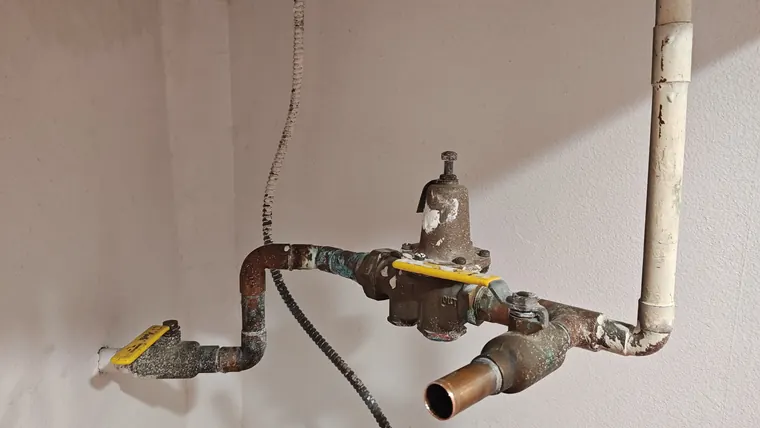
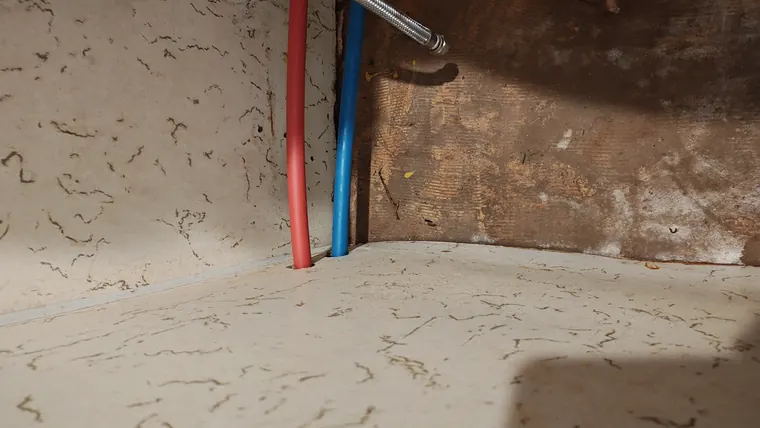
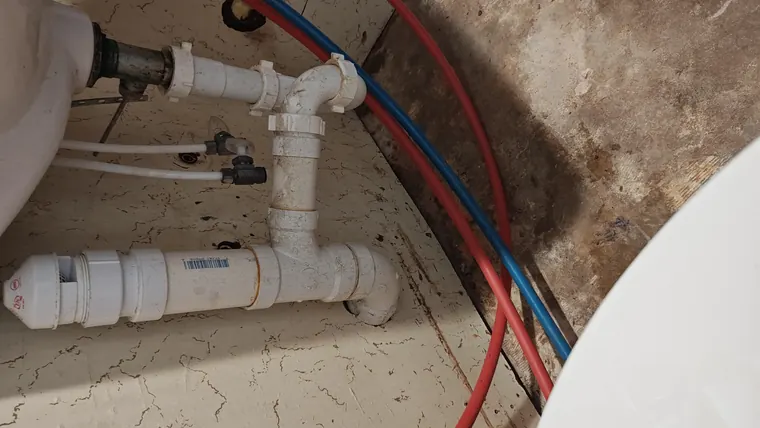
Our work, not stock photos
Old pipe out, new hot and cold in, tied back in at the fixtures — from houses this crew actually repiped, not one job told as a story.
Who's doing the work
Licensed and verifiable
Florida Certified Plumbing Contractor CFC1427622. It's a public record — look it up before you let anyone open your walls.
Permitted and inspected
Pulled in your jurisdiction, signed off by the inspector. The paperwork is what a buyer's agent will ask for later.
Warranty in writing
Materials are warrantied for 20 years and labour for 1 year. Warranty terms are written on your invoice, not "we stand behind our work" with nothing behind it.
What people ask before they book
The questions that actually come up on the phone, answered the way we'd answer them there.
Do we have to move out?
Almost never. Most people stay in the house the whole time. Water goes off during the cutover, which is usually part of one day — we tell you which day at the start so you can plan around it.
How long does a repipe take?
It depends on bathrooms, stories and access — that's why we walk the house first. You get a day count on the estimate, before you commit, rather than a vague "about a week." A typical 2-bath single story takes 2 to 3 days.
What happens to my walls?
We cut access only where the new line has to pass, and we plan the route to minimise it. Patching and paint are quoted separately and may be handled by a partner, and it's written on the estimate so there's no argument at the end.
Copper or PEX-A?
We generally run PEX-A in a repipe — the flexible kind. It bends through an existing house instead of needing a fitting at every turn, which means fewer joints hidden in walls and less demolition to install it. It is worth asking any plumber which kind they are quoting: the stiffer PEX-B is cheaper and perfectly good pipe, but its fittings push a barb inside the tube and narrow it slightly at every connection. Copper is still a good material and we'll run it if you want it — it costs more in both material and labour.
Do you pull the permit?
Yes. A repipe is inspected work. Unpermitted plumbing surfaces when you sell or when you file a claim, and it's far more expensive to resolve then than to do properly now.
Will my insurance help?
Policies differ, and we're plumbers, not your adjuster — ask your carrier directly. What we can tell you is that Florida insurers ask about pipe material more than they used to, and documentation of a permitted repipe is what they want to see.
Can you do it while the house is empty before we move in?
That's the easiest version of this job for everyone. No furniture, no water schedule to work around, and the drywall work can be finished before your floors go down. If you're mid-purchase, get us in during the inspection period.
Find out what's in your walls
A licensed plumber identifies the material, tells you whether it needs replacing, and prices it on the spot. No pressure and no number until we've seen it.